What net metering changes mean for a rooftop
The economics of rooftop solar assumed an export price that is being renegotiated. Plan for self-consumption instead.
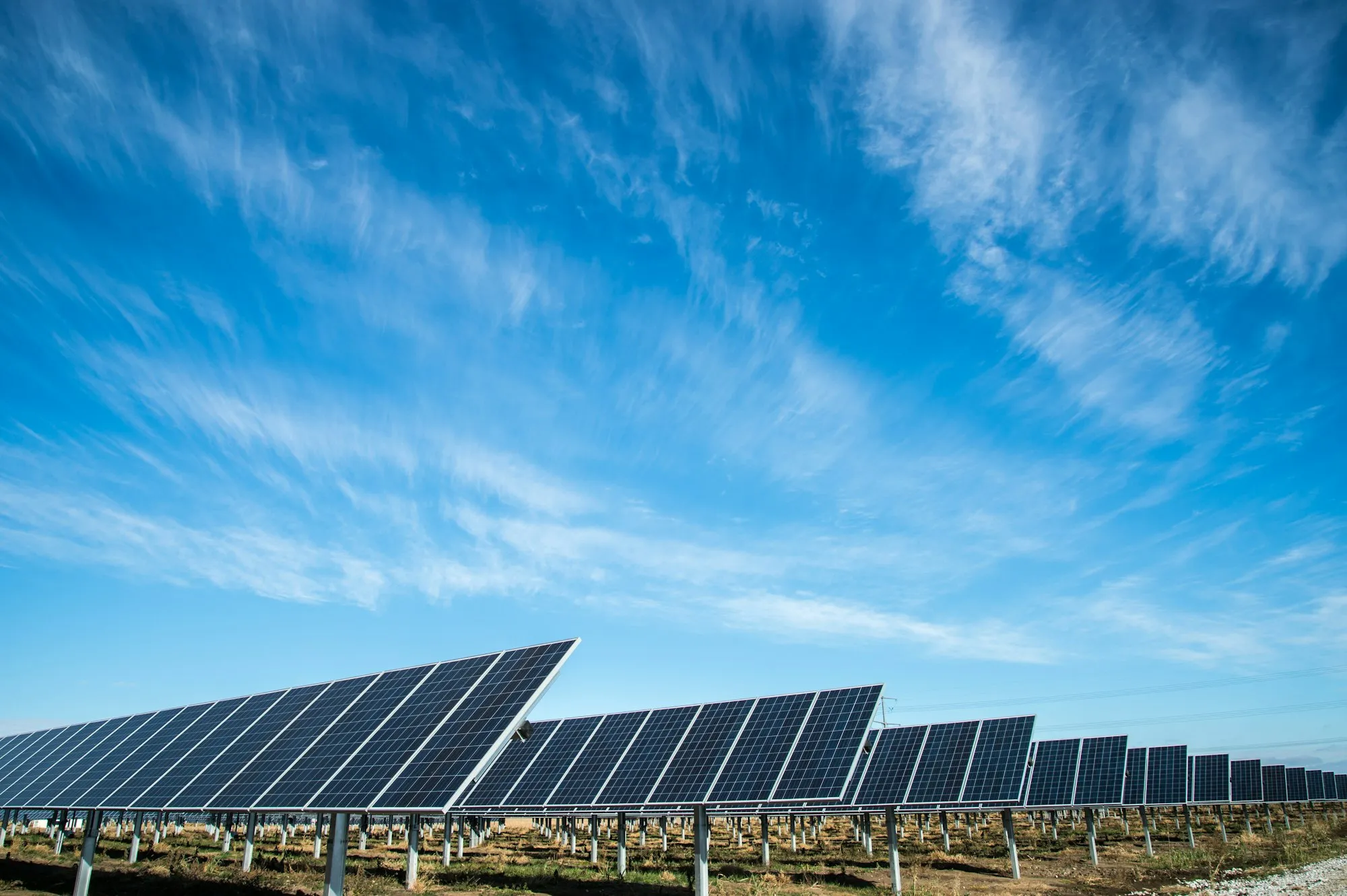
For a decade, the rooftop solar pitch was simple. Install panels, use what you need, sell the rest back to the grid at roughly the retail rate, and watch the payback period shrink. The panels were the product. The meter was the business model.
That model is under pressure. When a large number of homes and businesses export at the same time, the surplus has to go somewhere, and the grid is not a free battery. Regulators are moving toward compensation that reflects avoided cost rather than retail price, and toward limits on how much a site can export at all.
What changes when export pays less
The obvious answer is to use more of your own generation on site. The less obvious answer is that you cannot, because your heaviest loads are in the evening, after the panels have stopped.
This is the point where solar stops being a generation decision and becomes a storage decision. A battery lets a site move its own afternoon surplus into the evening, when it is worth the most to the site and the least to the grid. It also lets the site keep exporting only what it genuinely does not need.
The grid benefits too
A distribution network that receives a burst of uncontrolled export at noon and then a steep ramp at 6 PM has to be sized for both. Storage at the edge smooths the export, which can defer transformer upgrades and reduce curtailment.
That is why several regulators are treating storage differently from generation. The policy is not simply trying to pay solar less. It is trying to pay for the thing the network actually needs: power that can be moved in time.
What to model before you add panels
If you are planning a rooftop system this year, model three things together: your load profile, your outage exposure, and the export compensation you will actually receive. The cheapest system per kilowatt of panels is often not the cheapest system per kilowatt-hour of useful energy.
A smaller array with a well-matched battery can beat a larger array that exports at a low rate. It also gives you something the larger array cannot: backup when the grid drops.
The direction is clear
Rooftop generation is not going away. The free lunch of exporting at retail is. Sites that plan for self-consumption and resilience now will be the ones that still look well-designed in five years.