Range is a balancing problem
Why two packs with the same capacity can deliver different range, and what smart balancing changes.
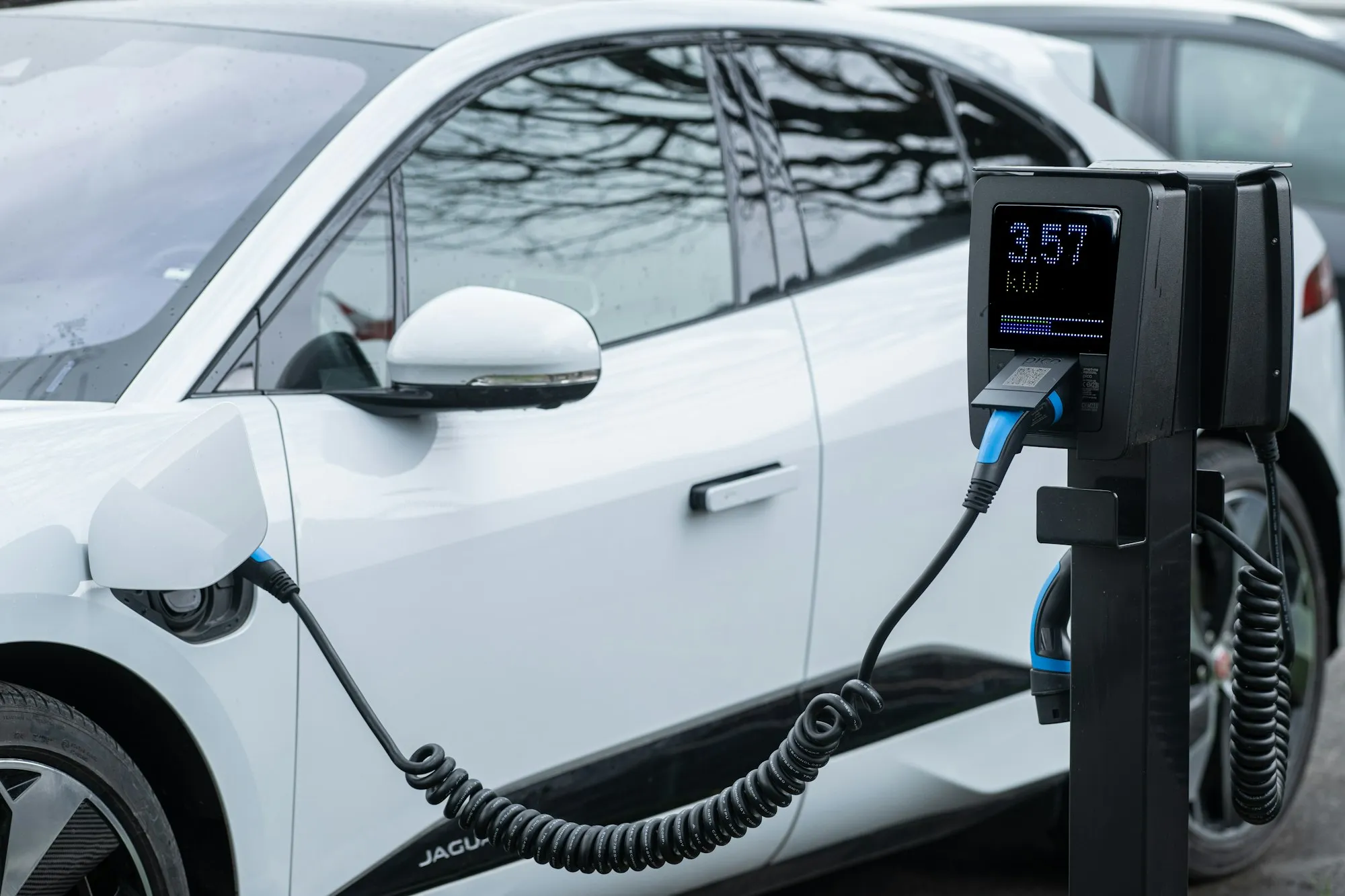
Two electric vehicles leave with a full battery and the same route. One returns with reserve; the other crawls back. The difference is often not capacity. It is how the pack uses the capacity it has.
Cells drift
No two cells are identical. Over hundreds of cycles, small differences in temperature, impedance and self-discharge accumulate. The weakest group limits the pack: the BMS stops discharge when that group reaches its floor, even if the others still have energy.
Passive versus active balancing
Passive balancing bleeds energy from the strongest cells as heat. It is simple and cheap, and it wastes the very energy the vehicle needs. Active balancing moves charge between groups instead of burning it, which can recover usable capacity in a pack that has drifted.
What it buys
- A little more range from the same cells.
- A flatter voltage curve near the end of discharge.
- Less stress on the weakest group, which can extend pack life.
The caveat
Balancing cannot fix a bad cell. If one group is failing, moving charge around only hides the problem until it becomes a failure. Telemetry has to identify the failing group and trigger service, not just paper over it.
The practical result
Smart balancing is not a headline feature. It is the difference between a pack that meets its rated range after a year and one that quietly loses a few kilometres a month.