The power plant nobody built
Hundreds of batteries already on site can behave like generation. The missing part is coordination.
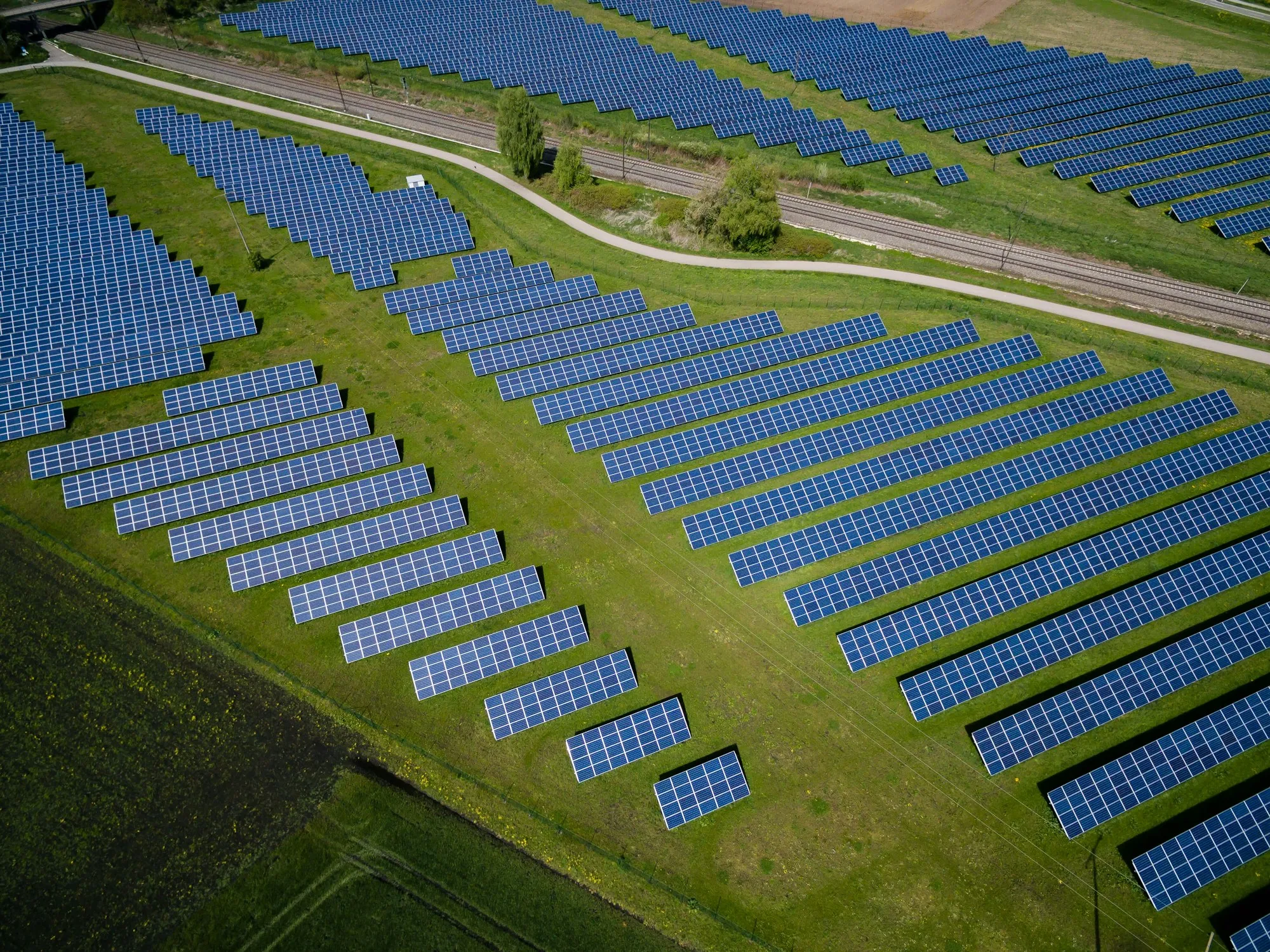
India does not need to build a new power plant to get more evening capacity. It needs to coordinate the batteries already being installed at homes, shops, clinics and warehouses.
The resource is already there
Every storage system sold for backup has idle capacity most of the day. It is charged, held and rarely used to its limit. Spread across a city, that is a meaningful amount of power that could be moved into the evening peak.
The coordination problem
A thousand batteries acting independently are not a power plant. They become one when three things are true:
- The operator can see their state.
- There is a policy about what each site keeps.
- There is a mechanism to dispatch the surplus.
None of these is a hardware problem. They are software and agreement problems.
Why reserve policy comes first
The temptation is to pool all capacity and optimise globally. That breaks the promise made to the site. The workable model holds a per-site reserve floor that dispatch cannot touch, then pools only what is above it.
What the grid gets
A predictable block of capacity that can be called on during a known window. Not a guarantee of generation, but a reduction in the evening ramp that the operator has to cover some other way.
The timeline
This is not a decade-long infrastructure project. The batteries are being installed now. The coordination layer is the part that has to be built carefully, and it is the part we work on.