The 1859 chemistry still running your backup
Why a century-old battery design keeps failing working sites, and what to look for instead.
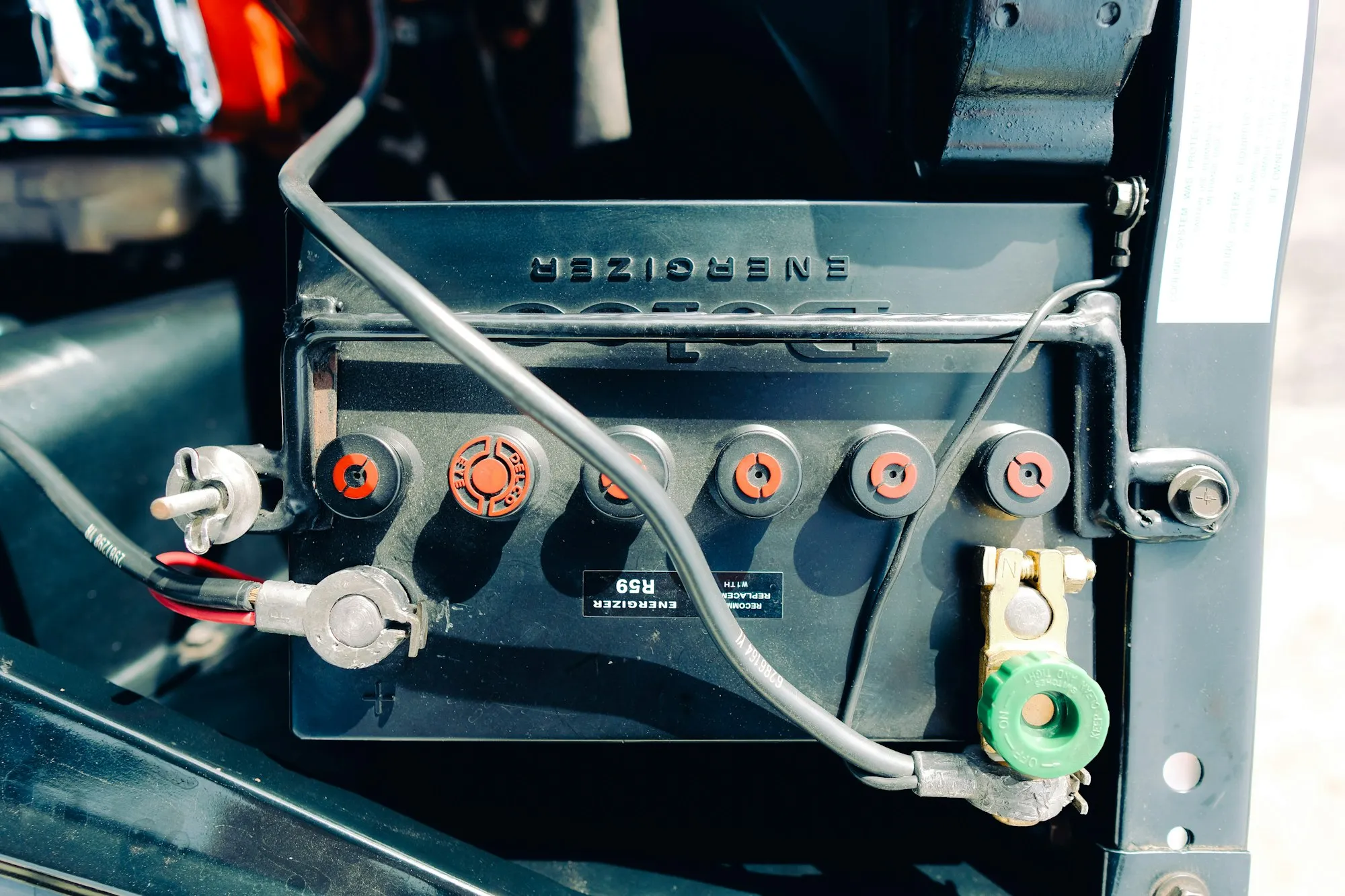
A lead-acid battery is a remarkable piece of engineering. It is also one hundred and sixty-odd years old, and it is still the default answer for backup power in a country that runs warehouses, cold chains and clinics at 45°C.
What the chemistry does under load
Lead-acid wants to be kept full. It dislikes being discharged deeply, it dislikes heat, and it dislikes being left partly charged. A warehouse does all three. A power cut discharges it. An afternoon on a tin roof heats it. A partial recharge after a short outage leaves it sitting at 80% for weeks.
The result is a pack rated for hundreds of cycles that delivers a fraction of that in real service. The capacity does not disappear overnight. It fades quietly, and the first time anyone notices is usually the night it fails to carry a load it used to carry.
The hidden cost is maintenance
A lead-acid bank needs watering, terminal cleaning, equalisation charges and periodic replacement. That is labour, and labour at 2 AM costs more than labour at noon. Most sites do not have a battery maintenance schedule. They have a battery that works until it does not.
Lithium iron phosphate is not magic. It is simply better suited to the job: deeper usable discharge, a flat voltage curve, and a battery management system that can report what is actually happening. The BMS is the part that matters most, because it turns an opaque box into something you can reason about.
Telemetry changes the failure mode
A lead-acid pack fails suddenly from the operator’s point of view. An LFP pack with per-cell telemetry fails gradually and visibly. You see internal resistance drift, you see one cell group lag the others, and you replace it before the site notices.
That is the real difference between a battery and a managed storage system. The cells are commodities. The visibility is not.
What to ask before you buy
Ask what the usable capacity is, not the nameplate capacity. Ask what the cycle life assumes about depth of discharge and temperature. Ask whether the system reports cell-level data or just a pack voltage. Ask what happens at 45°C, and whether the answer is a fan, a derate, or a warranty claim.
Those four questions separate a storage system from a box of cells.