The grid is breaking at 230 volts
Voltage variation is a quieter problem than an outage, and it damages equipment every day.
A power cut is visible. A voltage that sits low all afternoon is not. It quietly heats motors, trips inverters and shortens the life of everything on the circuit.
What variation does
Equipment is designed for a band around the nominal voltage. Outside that band, motors draw more current, power supplies work harder and electronics run hotter. The equipment may keep running, which is exactly why the problem goes unnoticed until something fails early.
Why it happens
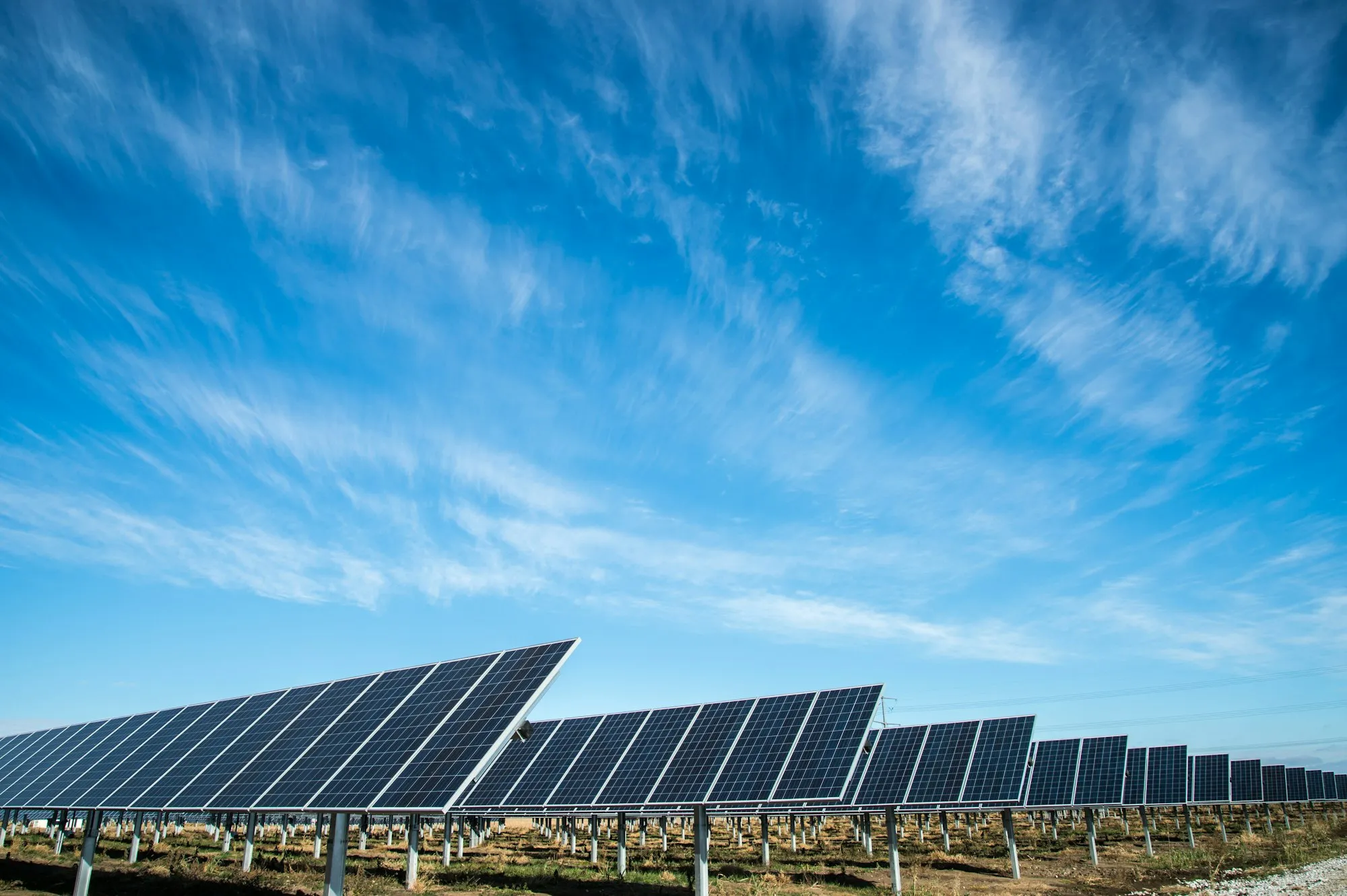
Distribution networks are long and loaded unevenly. A feeder serving a mix of homes and small industry sees demand swing through the day. Solar inverters exporting at the far end can push voltage up at noon; heavy load can pull it down in the evening.
What a site can do
- Measure. A logger on the incoming supply turns a vague complaint into a chart.
- Protect the sensitive loads with a system that conditions the supply, not just one that waits for a total outage.
- Move flexible load away from the worst hours.
- Talk to the distribution company with data rather than anecdote.
Why storage helps
A battery inverter can hold the site’s voltage within a band while it is supplying the load, and it can absorb or supply reactive power depending on the design. That does not fix the feeder, but it protects the equipment behind the meter.
The quiet cost
The cost of voltage variation is not one dramatic failure. It is a compressor that dies a year early, a power supply that runs hot and a service bill that nobody attributes to the supply. Measuring is the first step to seeing it.