The digital twin is the adoption problem
Fleets do not resist telemetry because it is hard. They resist it because it does not answer their first question.
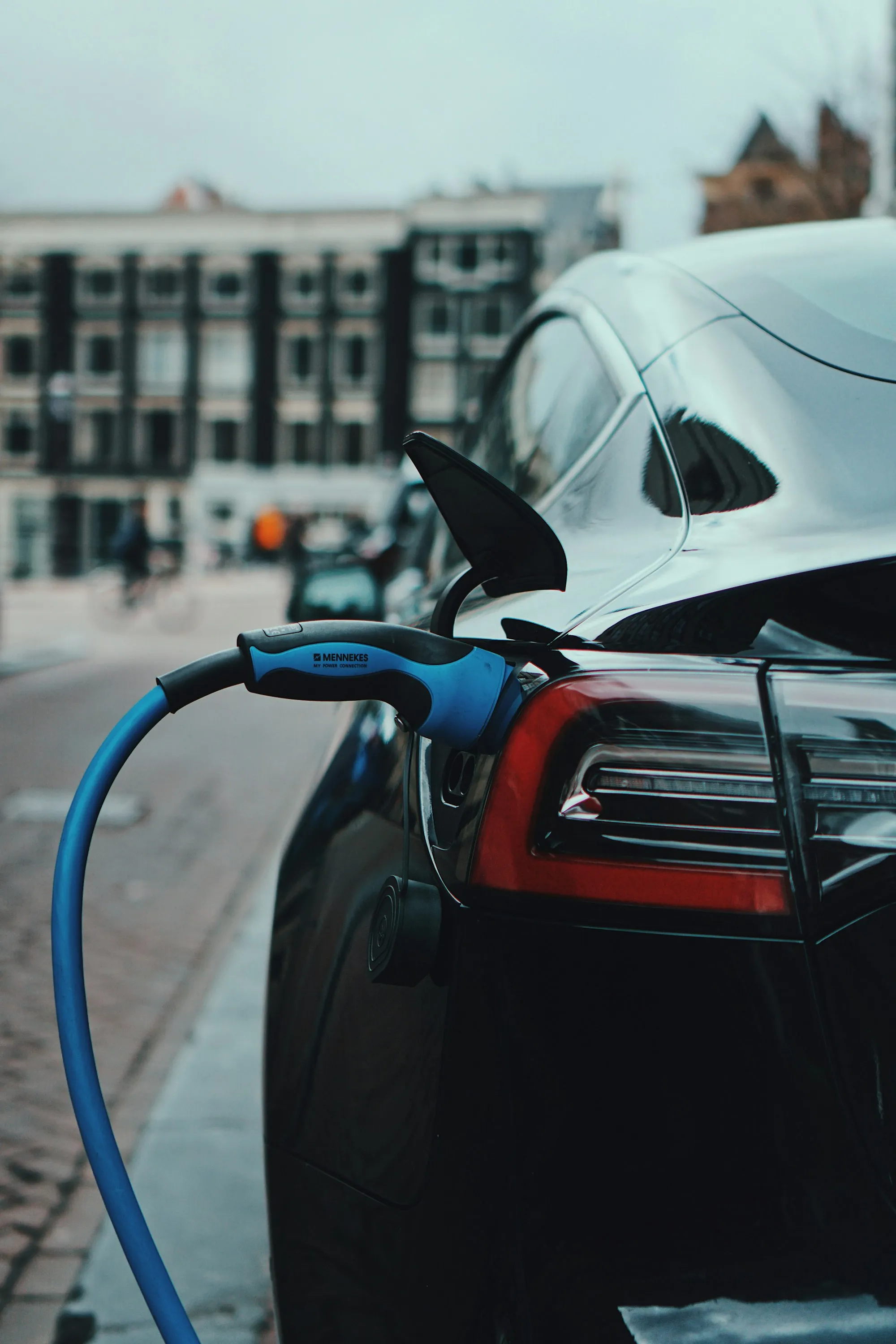
Every fleet says it wants data. What most fleets actually want is an answer to a question they ask at the start of a shift: which vehicles can I send out, and which one is about to fail?
Data is not the product
A dashboard full of cell voltages is evidence, not an answer. The operator has to do the interpretation, and the operator is busy. If the tool adds work, it gets ignored, and the telemetry budget becomes the first thing cut.
The digital twin earns its place when it converts telemetry into a decision: rotate this pack, charge that vehicle first, hold this one back. The underlying data still has to exist, but it is not the interface.
What adoption actually requires
- One screen. The shift-start answer should be visible without navigating a tree.
- A recommendation, not a reading. “This pack is degrading faster than its cohort” beats a health percentage with no context.
- A feedback loop. If the operator acts and the outcome changes, the tool should show it. That is how trust is built.
- A low floor. A phone should be enough. Many fleet managers do not sit at a desk.
The boring work
The reason this is hard is not the model. It is the plumbing: identity, time alignment, missing messages, firmware versions that disagree and chargers that report in their own dialect. A digital twin that hides the plumbing is doing real work.
The test
If a fleet manager stops opening the dashboard because “nothing ever happens”, the twin has failed. The good version is opened because something was about to happen and it said so.