Every battery needs an identity
Why a battery without a record is a liability, and what traceability should mean for a financed asset.
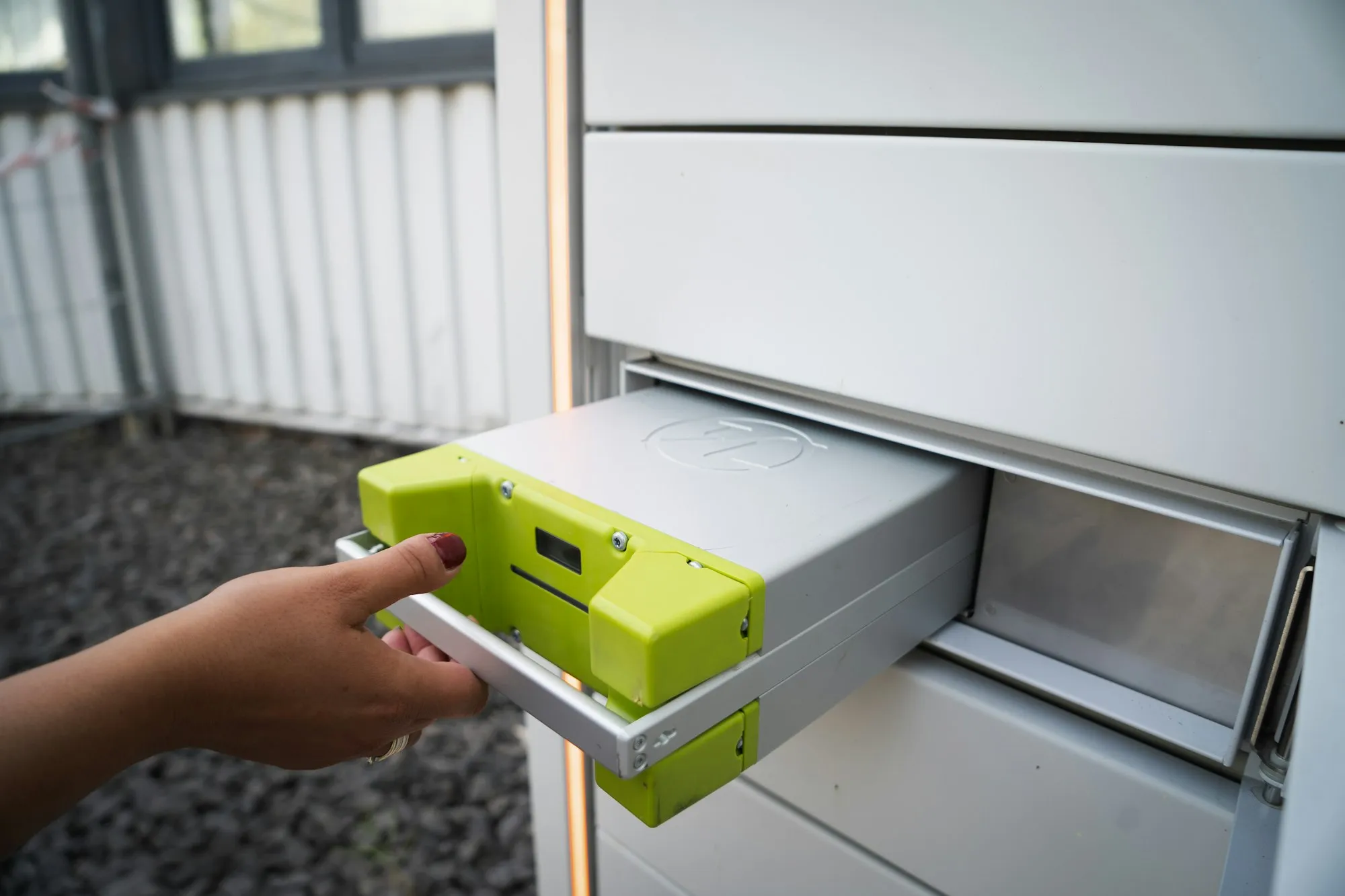
A battery changes hands. It is assembled, sold, financed, installed, swapped, serviced and eventually retired. At every step, someone needs to know what it is, how it has been used and whether it is still what the paperwork says it is.
The problem with a serial number
A serial number on a casing tells you almost nothing. It does not tell you how many cycles the pack has seen, whether it spent a summer in a hot warehouse, or whether the cells inside are the ones it shipped with.
For a financed asset, that is a real risk. The lender is underwriting a schedule of degradation, and the only way to know whether the schedule is holding is to measure the asset. A number stamped on a box cannot do that.
What an identity should carry
- A manufacturing record: cell supplier, batch, assembly date and test results.
- A usage record: cycles, depth of discharge, temperature exposure and fault history.
- A service record: swaps, repairs, firmware versions and warranty events.
- A chain of custody: who owned it, who operated it and where it has been.
If those four things travel with the pack, the asset becomes auditable. A buyer can value it, a lender can monitor it and a service team can diagnose it without opening it.
Why it is hard in practice
Identity has to survive the physical world. Packs are swapped by hand, charged in corridors and repaired with standard tools. The record has to live somewhere that does not depend on a label staying legible.
The practical answer is a unique identity in the BMS, replicated to the cloud, with the physical label as a backup rather than the source of truth. Every telemetry message carries that identity.
The outcome
A battery with a real identity stops being a consumable and starts being an asset with a history. That is the difference between financing a battery and financing a promise.